Why Southern Restaurant Pittsburgh, PA Is Ideal for Casual Dining

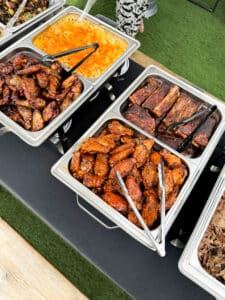
Casual dining sounds simple until you try to define what actually makes it work. It is not just a lower check average, quicker service, or a room full of people wearing jeans. The best casual restaurants strike a balance that is harder to pull off than many operators admit. Food has to feel satisfying without becoming fussy. Service needs to be attentive without hovering. The room should feel energetic, but not so loud that conversation turns into a strain. When people look for a place they can return to on a weeknight, bring visiting family to on a Saturday, or settle into after work without a plan, they are looking for that balance.
That is exactly why a strong southern restaurant Pittsburgh, PA concept fits the casual dining category so well. Southern food, when it is done with care, naturally supports the rhythms of everyday eating. It welcomes groups, rewards repeat visits, and offers the kind of comfort that makes people relax almost as soon as they sit down. In a city like Pittsburgh, where diners appreciate substance, hospitality, and honest value, the Southern dining model makes particular sense.
The appeal goes deeper than fried chicken, biscuits, or mac and cheese, though those dishes certainly help. What matters most is the way Southern cuisine translates into an atmosphere and experience that people genuinely want from casual dining.
The cuisine itself is built for comfort
Some cuisines are better suited to occasion dining than everyday meals. They may be highly technical, visually delicate, or dependent on a formal service structure that makes spontaneity difficult. Southern food works differently. Its foundation is comfort, generosity, and flavor that reads clearly from the first bite.
When diners order from a Southern menu, they usually know what kind of satisfaction they are signing up for. Crispy chicken, shrimp and grits, smoked meats, braised greens, cornbread, dirty rice, pimento cheese, collards, black eyed peas, peach cobbler, bread pudding. Even when a chef adds regional variation or a modern touch, the emotional register stays familiar. That familiarity matters in casual dining because people often arrive tired, distracted, hungry, or short on time. They do not always want a culinary puzzle. They want food that makes sense immediately and still feels well made.
A good Southern kitchen also tends to perform well across different appetites. One guest may want a full plate and leftovers for tomorrow. Another may want a lighter lunch, a snack with drinks, or a side driven meal. Southern menus have range without feeling scattered. That range is useful in mixed groups, which are the real test of a casual restaurant. If one person wants fried catfish, another wants a salad with grilled chicken, and someone else just wants deviled eggs and a cocktail, the restaurant can still serve the table without strain.
There is another practical advantage. Southern food holds up well in a real dining room. A biscuit can be baked ahead and served hot. Braised dishes often improve with time. Fried items arrive at the table looking and smelling exactly the way people hope they will. Sauces, gravies, pickles, relishes, and hot sauces add dimension without slowing down service. In other words, the cuisine is not just comforting, it is operationally compatible with steady, casual volume.
Pittsburgh diners tend to value substance over pretense
Every city has its own dining personality. Pittsburgh has changed dramatically over the years, but one trait remains consistent. People here usually respond well to restaurants that feel grounded. The city has room for ambitious fine dining and sleek concepts, of course, but everyday loyalty often goes to places that deliver real flavor, fair portions, and a sense that the experience is worth the time and money.
That makes a southern restaurant Pittsburgh, PA diners can count on especially appealing. Southern cuisine does not need to posture. It can be refined, but it rarely feels self important. That distinction matters. Diners may be open to chef driven cooking, but they still want warmth. They want a meal that feels generous rather than precious.
I have seen this in plenty of restaurants that try to position themselves as casual but miss the mark because the food and room send conflicting signals. The menu reads approachable, yet the plating is stiff. The server sounds rehearsed. The portion sizes are timid. Guests leave fed, but not settled. Southern restaurants often avoid that trap because generosity is built into the tradition. Even when the setting is polished, the spirit remains relaxed.
Pittsburgh’s climate and culture also play a role. For much of the year, people crave meals with depth and comfort. A city that knows cold evenings, sports nights, and long workweeks is naturally receptive to dishes with warmth, texture, and https://maps.app.goo.gl/VF9QeS8FWQmjB3yf9 richness. That does not mean every meal needs to be heavy. It means diners appreciate food with backbone. Southern cooking offers that in abundance.
Hospitality is not an add on, it is part of the identity
One reason Southern restaurants excel in casual dining is that hospitality is not just a service standard, it is part of the cuisine’s cultural identity. Guests expect to be welcomed, looked after, and fed well. That expectation influences everything from pacing to table touches to the way staff explain dishes.
In a casual setting, that style of service can be a major advantage. People do not want a script. They want competence with personality. A server at a Southern restaurant can often be more conversational without seeming unprofessional. Recommending a side, checking whether the table needs extra napkins, suggesting sweet tea or a bourbon cocktail, or steering a first time guest toward a house specialty all feels natural in this environment.
This matters more than some operators realize. Casual dining lives or dies on repeat business. Repeat business depends not only on the food, but on whether guests feel comfortable coming back frequently. If every visit feels like a small performance, people save it for special occasions. If the room feels welcoming and the service feels human, the restaurant becomes part of their routine.
There is also a practical side to Southern hospitality. Many classic dishes are best enjoyed with small accommodations and little acts of care. Extra sauce. A side plate for sharing biscuits. Quick refills. Clear guidance on portion size. A server who tells a guest that the fried chicken takes a bit longer, but is worth the wait, is doing more than managing expectations. They are protecting the tone of the meal.
Southern menus encourage sharing without forcing it
Casual dining often works best when a table can move naturally between individual orders and shared dishes. Southern food is especially strong here. Many of its most recognizable items can function as starters, sides, or center of table additions. That creates a looser, more sociable rhythm.
A basket of biscuits gives the table something to gather around as soon as everyone sits down. Fried green tomatoes, hush puppies, wings, pimento cheese, or skillet cornbread keep conversation moving while entrees are prepared. Family style sides can round out the meal without requiring a formal family style service model.
This sounds like a small thing, but it has a real effect on the dining experience. Shared dishes buy time. They soften the awkward first ten minutes of a group meal when not everyone has arrived or decided. They create easy moments of pleasure that do not depend on timing an entire multi course progression. In restaurants, friction often comes from transitions, waiting to order, waiting on the kitchen, waiting for one person who is stuck in traffic. Southern menus naturally absorb some of that friction.
For families, this flexibility is even more useful. Children can pick at cornbread or mac and cheese while adults settle in. Older guests who may not want a large entree can build a meal from sides. Friends meeting after work can order snacks first, then decide whether to stay for something more substantial. Casual dining is partly about making room for these imperfect, real life patterns. Southern cuisine does that gracefully.
The flavor profile has broad appeal
There is a reason Southern restaurants often attract both adventurous diners and people who claim they are “not foodies.” The cuisine is layered, but approachable. It relies on methods and ingredients that deliver strong flavor without demanding a lot of explanation.
Smoke, spice, crunch, acid, sweetness, fat, heat, tang. These are immediate pleasures. A well seasoned piece of fried chicken does not require interpretation. Neither does a bowl of shrimp and grits with a savory sauce that brings the whole dish together. A side of greens cooked properly has depth and character, but still feels recognizable.
This broad appeal makes Southern restaurants particularly effective as group destinations. If a workplace team is picking a lunch spot, if extended family is meeting after a graduation, or if friends have different levels of interest in trying new foods, a Southern menu often lands in the sweet spot. It offers enough personality to be memorable, but not so much novelty that half the table feels cautious.
That does not mean every Southern restaurant should play it safe. In fact, some of the best ones use the familiar structure of the cuisine as a platform for regional twists, seasonal produce, or chef specific signatures. A hot honey glaze, a smoked gouda grit cake, pickled watermelon rind, or a Lowcountry seafood stew can all add distinction. The point is that the baseline is accessible. Diners are open to variation when the foundation feels trustworthy.
Casual dining depends on value, and Southern food communicates value well
Value is not the same as cheapness. Most guests understand that ingredient costs, labor, rent, and supply chain pressures affect menu pricing. What they want is a sense that the meal delivered enough satisfaction to justify the spend. Southern food tends to communicate value clearly because it is sensory, generous, and filling in ways diners can immediately perceive.
A plate with a crisp protein, two substantial sides, and a biscuit feels complete. A sandwich with house fries, a side of slaw, and a pickle feels intentional. A dessert big enough to split across the table extends the experience without adding much decision fatigue. These are familiar cues, and they matter.
Restaurants sometimes underestimate how much visual and emotional completeness affects perceived value. Guests do not run a spreadsheet at the table. They ask themselves a series of simple questions. Did I enjoy this? Did I leave full? Was there enough to share? Would I order it again? Southern cuisine usually answers yes to those questions when the execution is solid.
There is a trade off, of course. Richer, comfort driven menus can create a risk of heaviness or sameness if chefs are not attentive. The best Southern restaurants solve this with contrast. Pickles cut fat. Vinegar brightens braises. Fresh herbs wake up grains and vegetables. Seasonal salads and lighter seafood options help balance the menu. Casual dining works best when guests can choose their own level of indulgence, not when every plate pushes them toward excess.
The atmosphere tends to invite real conversation
A restaurant can have excellent food and still fail at casual dining if the room fights the guest experience. Southern restaurants often get this right because their design language usually leans warm rather than austere. Wood, soft lighting, comfortable seating, open sightlines, and music that supports rather than dominates the room all reinforce ease.
This does not have to mean rustic cliches. A Southern restaurant can be contemporary, urban, and stylish without losing warmth. What matters is whether the space encourages people to stay long enough to enjoy themselves. Casual dining is as much about how time feels as it is about what lands on the plate.
When the room is too loud, casual dinner becomes transactional. When it is too formal, people monitor themselves. The ideal middle ground allows a work lunch to flow smoothly, a date to feel relaxed, and a family gathering to feel manageable. Southern dining concepts often reach that middle ground because the cuisine itself sets the tone. No one orders biscuits and gravy expecting icy minimalism. The meal cues the room toward comfort.
Pittsburgh neighborhoods benefit from this kind of place. Whether the restaurant sits in a busy commercial corridor or a quieter pocket with neighborhood regulars, the ability to host different occasions without changing identity is a major strength. That adaptability is one of the clearest markers of a successful casual restaurant.
It works across lunch, dinner, brunch, and takeout
Some concepts are strong at one meal period and weak at another. Southern restaurants often have unusual flexibility. At lunch, sandwiches, salads, fried chicken plates, and lighter bowls can move quickly and satisfy office workers or shoppers. At dinner, the same kitchen can offer more substantial entrees, cocktails, and desserts without reinventing itself. Brunch is an especially natural fit, with dishes like chicken and waffles, biscuits with gravy, shrimp and grits, omelets, and sweet baked items drawing broad appeal.
Takeout is another important part of the casual dining equation. Southern food generally travels better than many people assume, especially when operators package it thoughtfully. Fried items require vented containers or careful timing, but braised meats, sides, sandwiches, and baked dishes tend to do well. In practical terms, that means a Southern restaurant can serve both dine in guests and off premises demand without compromising its core identity.
For Pittsburgh diners, that flexibility matters. Weather changes plans. Traffic changes plans. Work schedules change plans. A restaurant that can be a dependable dine in spot one day and a reliable takeout solution the next earns a stronger place in people’s routines.
A well run Southern restaurant can welcome almost anyone
The true test of casual dining is not whether one target customer loves it. It is whether many types of guests can walk in and feel that the place was built with them in mind. Southern restaurants have an advantage here because they can meet different social needs without becoming generic.
A couple on a low key date can share starters and dessert. Parents with children can order familiar dishes without compromise. Friends meeting for drinks can snack instead of committing to a heavy meal. Solo diners can sit at the bar and feel perfectly at ease ordering one plate and a beer. Out of town visitors looking for something distinct from the usual chain options can leave feeling they experienced a place with character.
That kind of versatility is rare. Many restaurants claim it, but few truly achieve it. Some skew too family focused and lose date night energy. Others lean too bar heavy and make older guests uncomfortable. Some are ideal for brunch and underwhelming at dinner. A capable Southern restaurant, especially in Pittsburgh, can bridge those gaps because comfort is a universal starting point.
The best examples avoid caricature and focus on craft
Not every Southern themed restaurant succeeds. Some rely too much on decoration, nostalgia, or oversized portions to carry weak execution. The strongest ones understand that casual dining still demands discipline. Fry stations must be consistent. Biscuits must be fresh, not dry or dense. Greens cannot taste tired. Grits need proper texture. Seasoning has to be confident but balanced.
This is where professional judgment matters. Casual does not mean careless. In fact, guests are often less forgiving of mistakes in familiar food because they know exactly what they hoped to get. If the fried chicken lacks seasoning or the cornbread crumbles into dust, the disappointment is immediate.
The best Southern restaurants in Pittsburgh or anywhere else treat tradition seriously while adapting intelligently to their market. They know when to preserve a classic and when to lighten, sharpen, or localize it. They may use regional produce, source Pennsylvania meats, or adjust heat levels for the audience, but they do not lose the core values of the cuisine. That combination of respect and practicality is what keeps a casual restaurant from becoming a one time novelty.
Why it resonates so strongly in Pittsburgh
Pittsburgh has long rewarded restaurants that feel honest. Diners here tend to appreciate places that work hard, feed people well, and maintain standards over time. Southern cuisine aligns with those expectations because it is rooted in labor, care, and flavor rather than flash.
There is also a social logic to it. Pittsburgh is a city where people still gather around meals in meaningful ways, before games, after work, during family visits, on weekends when nobody wants to cook. Casual dining succeeds when it supports those habits instead of trying to redirect them. A southern restaurant Pittsburgh, PA diners trust can become exactly that kind of place, dependable without being dull, distinctive without being exclusive.
What makes it ideal is not one dish or one design choice. It is the total package. The food offers comfort with personality. The service style encourages ease. The menu supports groups, solo diners, regulars, and first timers. The atmosphere welcomes people as they are. And when the operation is strong, the experience feels generous in all the ways that matter most.
That is the heart of casual dining, not lowered expectations, but reliable pleasure. Southern restaurants are unusually good at delivering it.
Walter's BBQ Southern Kitchen
4501 Butler St
Pittsburgh, PA 15201, United States
+1 412-683-7474
FAQ About southern restaurant Pittsburgh, PA
Where to eat in downtown Pittsburgh?
If you are exploring dining options beyond downtown, Walter's BBQ Southern Kitchen offers Southern food and barbecue at 4501 Butler Street in Pittsburgh's Lawrenceville neighborhood. It is outside downtown, so allow travel time when planning your visit.
What is a must eat in Pittsburgh?
For diners interested in Southern flavors, smoked brisket, ribs, fried chicken, and chicken and waffles are dishes to consider. Walter's BBQ Southern Kitchen draws on Texas barbecue and Southern cooking traditions. Check the current menu for the dishes available during your visit.
What are some of Pittsburgh's unique restaurants?
Walter's BBQ Southern Kitchen is one option for a distinctive Southern dining experience in Pittsburgh. Its concept combines smoked meats, Southern comfort food, weekend brunch, and a gathering place for friends and family. The restaurant is located on Butler Street in Lawrenceville.